Xcaret
Getting There
We found out quickly that excursions, when offered through tour operators,
could be quite expensive. Through our resort, a trip to Xcaret (pronounced 'esh-care-eh')
went for US$80. Considering that the admission to the park was US$49 we knew
we could do better on the transportation cost. Xcaret is only 10km south of
Caracol Village, so we took a taxi for 155
pesos, about C$30, each way. If you're even more organized and willing to sacrifice
a few hours in the morning, tours sold in Playa
del Carmen will run as little as US$50.
Because we rolled our own excursion, we arrived just about when the park opened
at 8:30am. This was well before the tours from the resorts and Cancun could
arrive, so we had much of the park to ourselves for the first couple hours.
No crowds, no lines, worth the cost of taking the taxi.
What To See
While park entrance isn't cheap for Canadians, it does not take long to realize
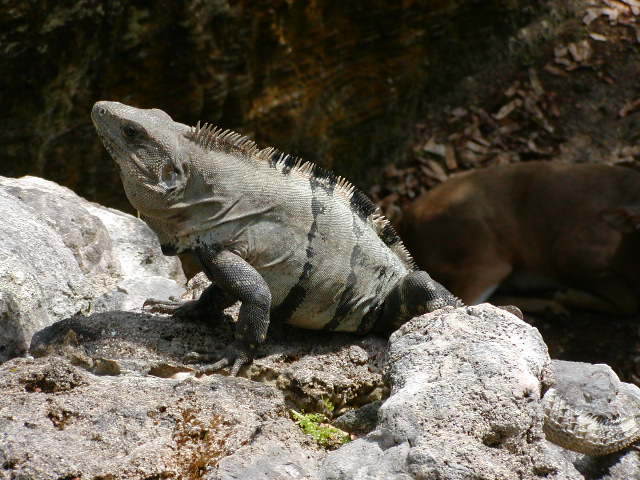
it was well worth it. For starters, the place is literally crawling with iguanas.
Little did we know that we would see dozens more before the week was finished,
but every now and then being startled by an iguana on a nearby wall was fun.
The number of birds, fish, reptiles, butterflies and other animals that were
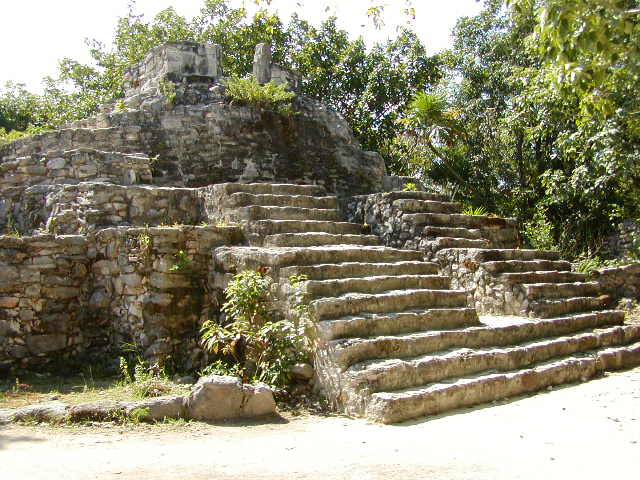
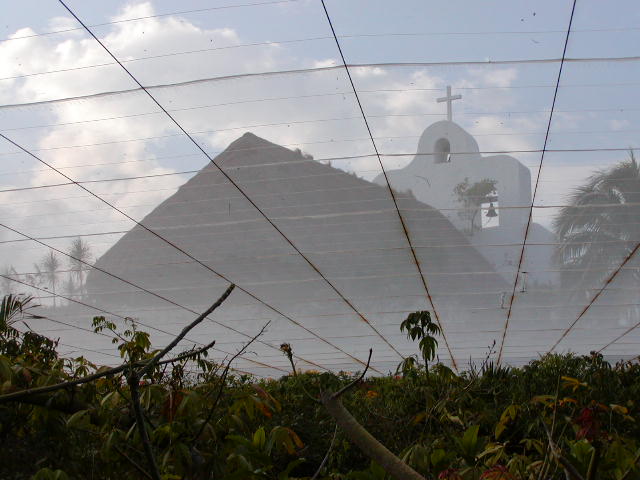
there to discover was overwhelming. Xcaret even includes Mayan ruins distributed
throughout the park, though they are not as significant or as impressive as
the walled city in Tulum. Disaster almost struck when
the rechargeable batteries for our digital camera died after a few pictures.
Luckily, the gift shop sold AA batteries and we were set for the rest of the
day. We have over 200 pictures as proof of our visit to Xcaret.
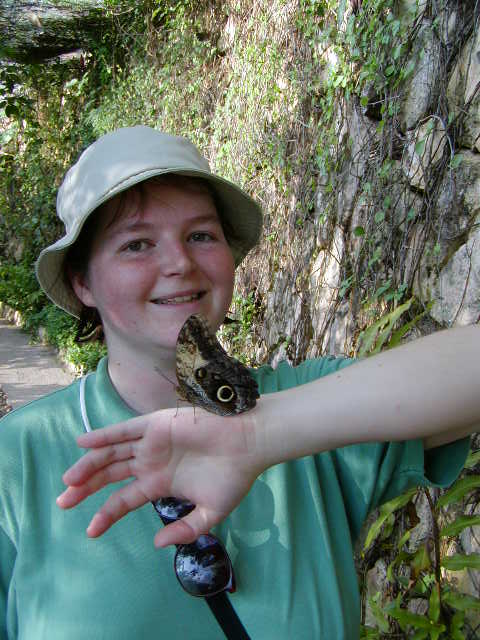
Among the more notable exhibits was the butterfly pavilion. It is one of the
largest self-contained ecosystems for butterflies in the world. About a dozen
different kinds of butterflies live in the pavilion. There is a stone walking
path that wraps around the perimeter of the enclosure, and a transparent mesh
above. Colourful flowers and lush foliage can be seen on the two levels of the
path. The air was sometimes so think with butterflies it seemed that you walked
through them. Butterflies would readily hitch rides on people for several minutes
as they walked along.
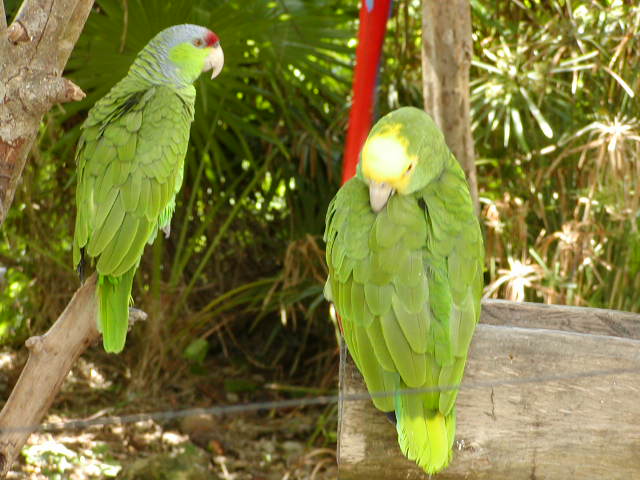
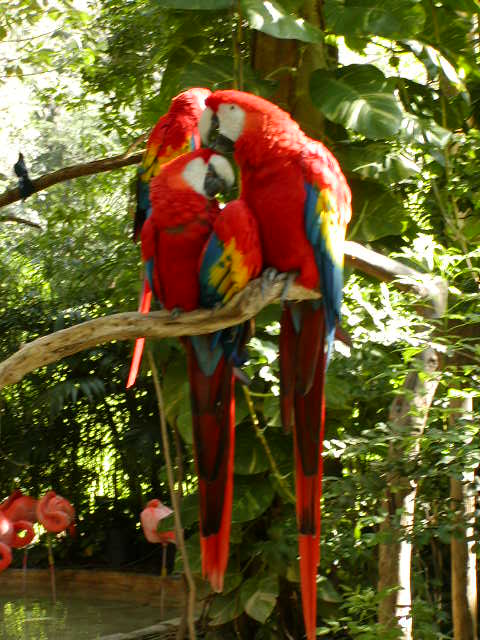
Another spectacular area is the wild bird aviary. Some of the birds in the
aviary can't be found in the wild anymore and are in danger of extinction. The
area wasn't completely enclosed, so the birds that could fly were in cages.
The parrots were all out in the open because they had their pinion feathers
clipped. The funny thing about the parrots is that they could fly enough to
get to a neighbouring parrot's perch. So, they would move over and fight with
other parrots when they got nervous. We saw a keeper take a long stick to relocate
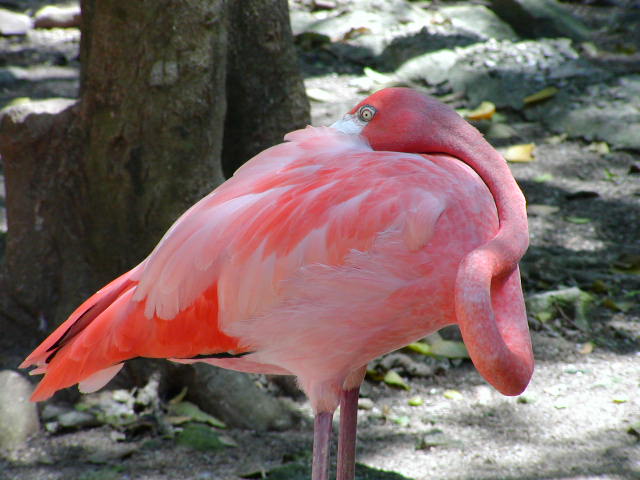
one upset parrot. Birds were also found elsewhere at Xcaret, particularly the
macaws and flamingos. When Ross first saw the flamingos near the park entrance,
they looked so pink, he thought they were fake, but just then, one of them moved.
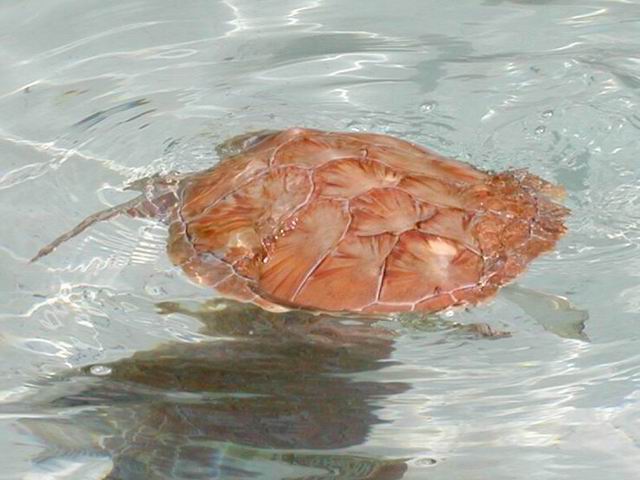
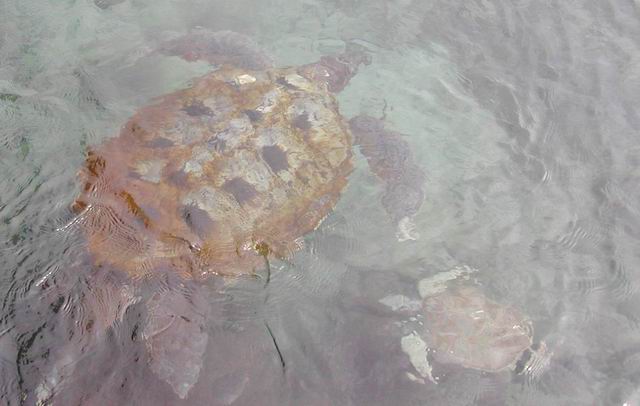
The marine turtle section of the park is quite large. Then, so were some of
the turtles. There was one type of marine turtle that was 1m in diameter and
must have weighed about 500lbs. Xcaret breeds and releases a number of species
of endangered turtles, so lots of varieties and sizes of turtles could be seen
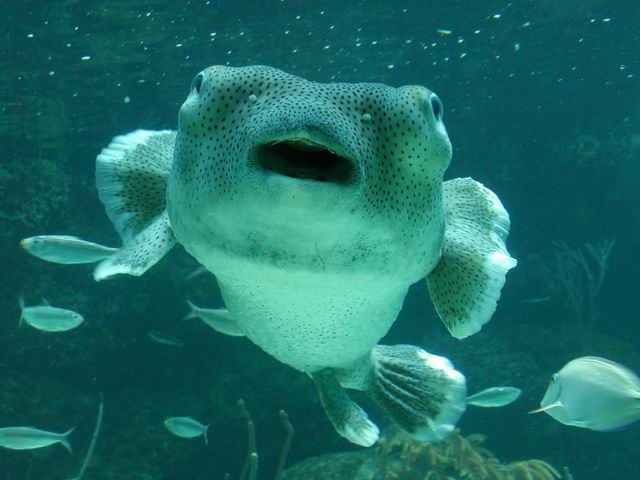
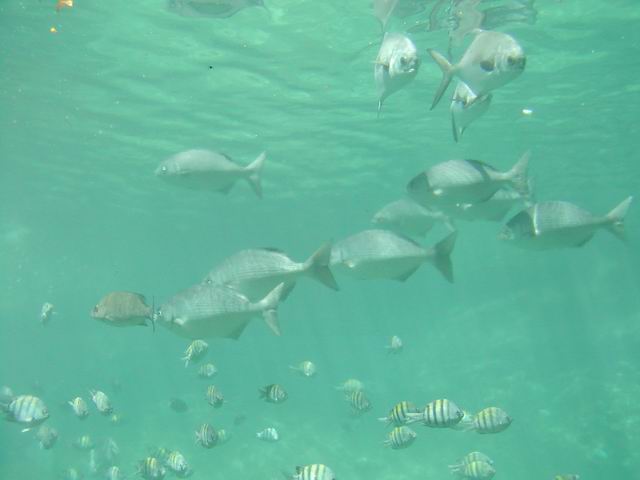
there. There is also an aquarium at Xcaret, featuring different tanks, each
designed to mimic conditions at different depths, from dive depth to what is
visible during a surface snorkle or swim. The aquarium features coral, starfish,
sharks, tropical fish, crabs - just about everything, including a most ugly
eel.
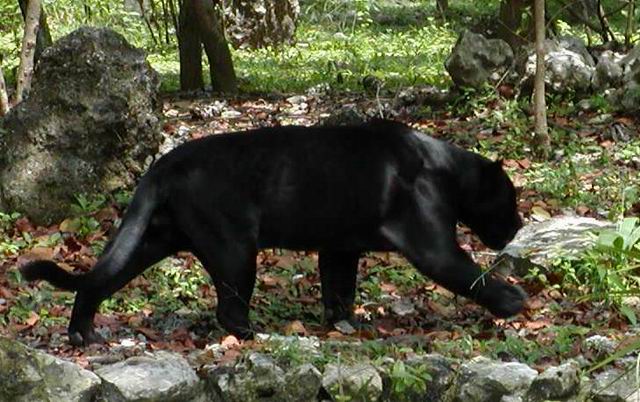
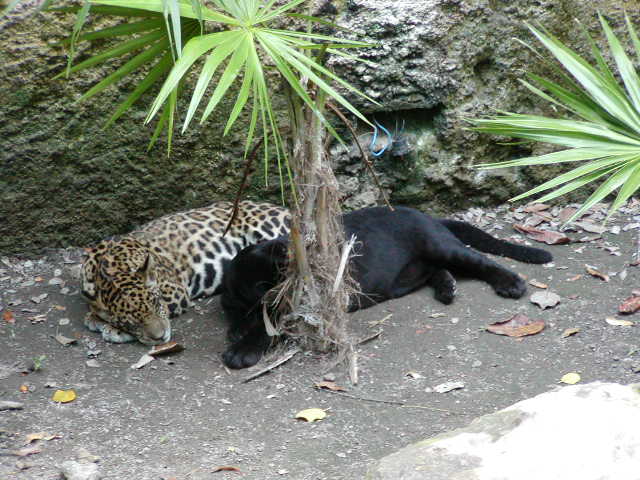
In the afternoon we visited the big cats. The black jaguar lives on it's own
island surrounded by a steep cliff and moat. When we saw the jaguar it was pacing
around the island because it was too hot. The leopard and black panther live
in a more indoor enclosure. Like house cats, they were curled up together, sleeping
in a corner of their pen.
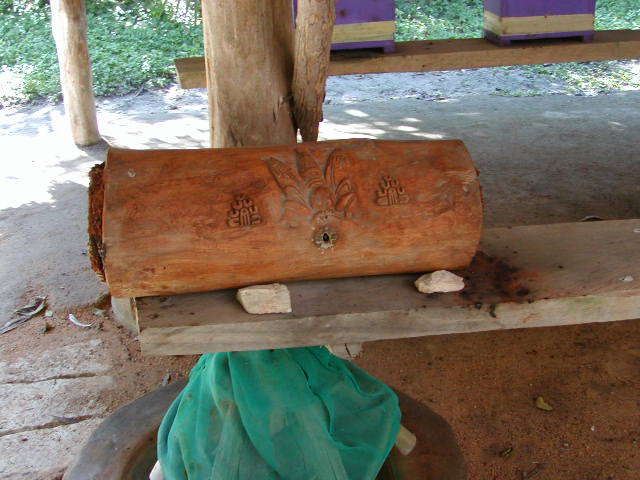
Other more minor and less spectacular attractions included an apiary of Mayan
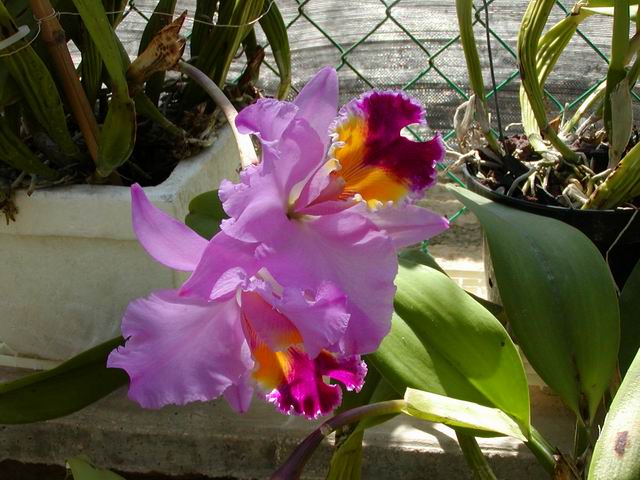
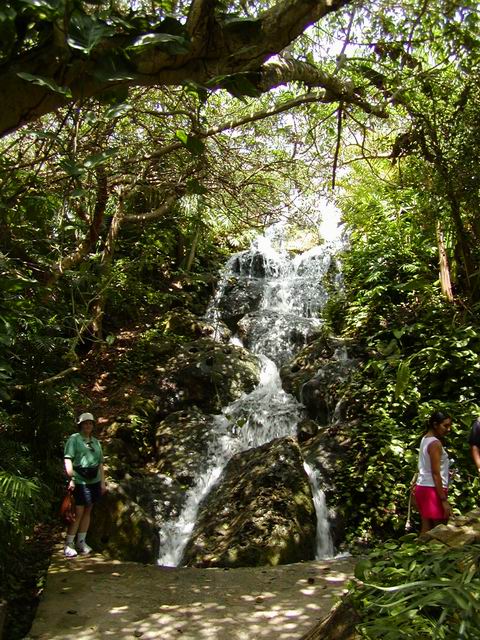
stinger-less bees, an orchid pavilion, mushroom farm, and jungle paths. To see
more, check out Day 3 in our photo section,
or use the map at the bottom of this page.
 |
Circular
Path to
Underground Village |
|
|
|
|
 |
|
|
|
|
|
|
Underground River
In Xcaret there are two underground rivers that meander around the park. The
two rivers have been sanitized somewhat so it is safe for visitors to swim in
them. At the entrance of the rivers, there is a station for depositing personal
belongs in a locked bag. The bag is then carried by donkey to the end of the
river to be picked up. We went down one of the rivers after walking around the
park for a while. It was interesting seeing the park from a different perspective.
The park is incredibly well designed such that the attractions were built around
the existing rivers. As you swim or float down the rivers, you pass through
the attractions in a very unique way that is difficult to describe in words.
When walking above, it is hard to believe that so much is visible from the river
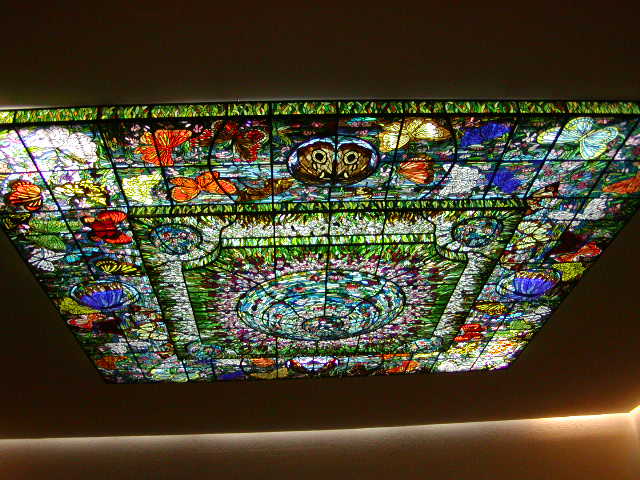
below between underground sections. To fully appreciate this, we recommend visiting
attractions such as the stained-glass pavilion first, before swimming on the
rivers. Besides, they are a great way to cool down during the hottest part of
the day. If you go swimming, be sure to put your valuables in a locker, not
the bag, Lockers are available at a reasonable cost of US$2.
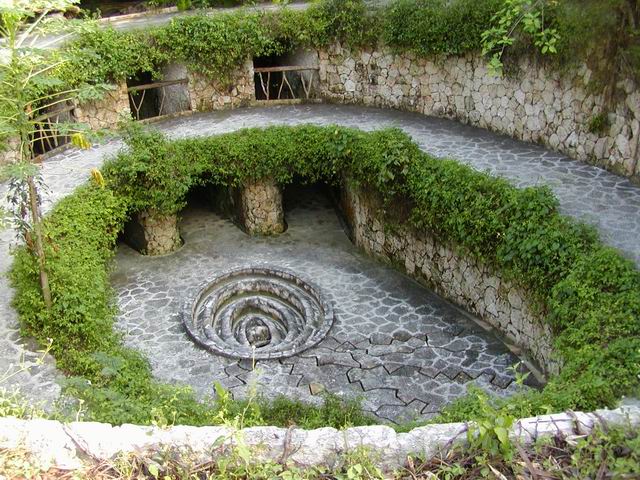
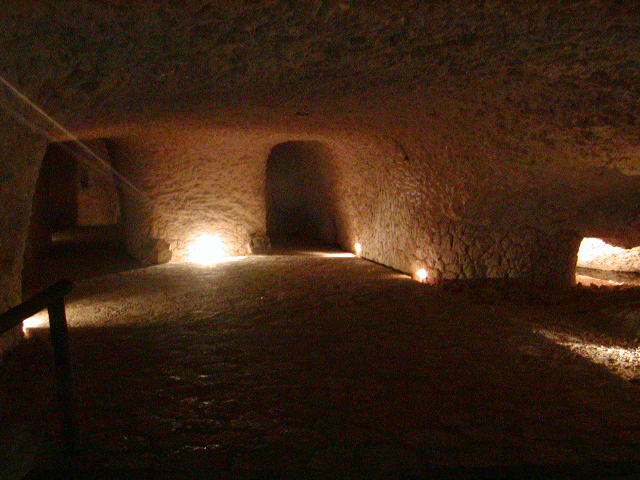
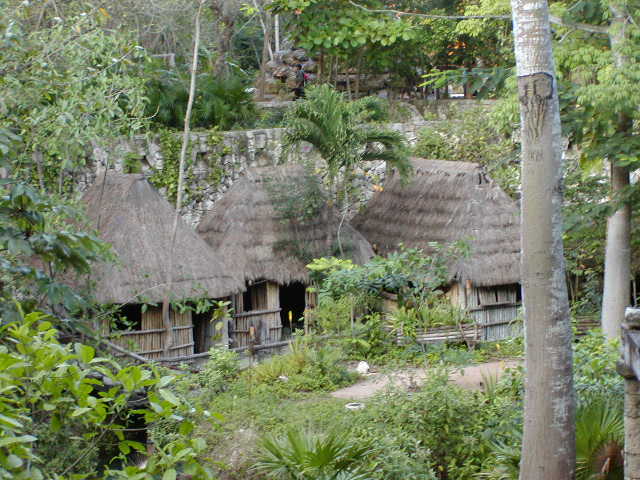
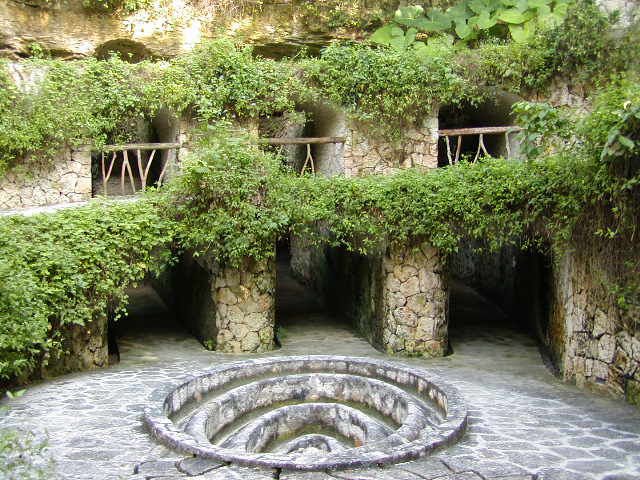
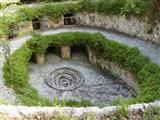
Xcaret also features another underground attraction: an underground Mayan village.
One way to get there is by descending a spiral walkway not unlike an open pit
mine. Once there, the village is a bit of a maze to get out of, but very enjoyable.
Along the way to finding an exit, a number of surprises and things to see await
the visitor.
Mayan Ball Game
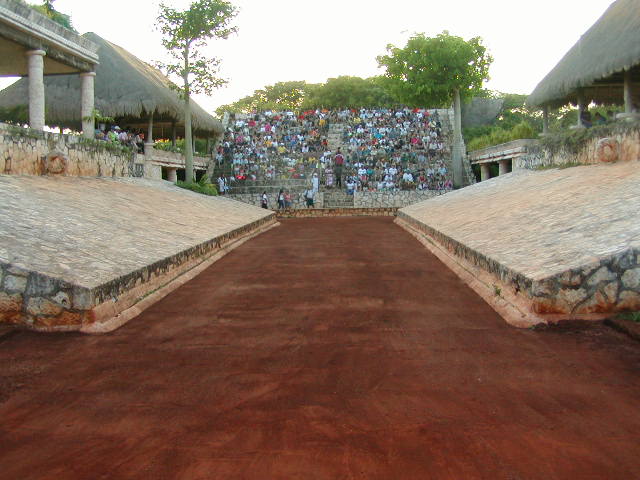
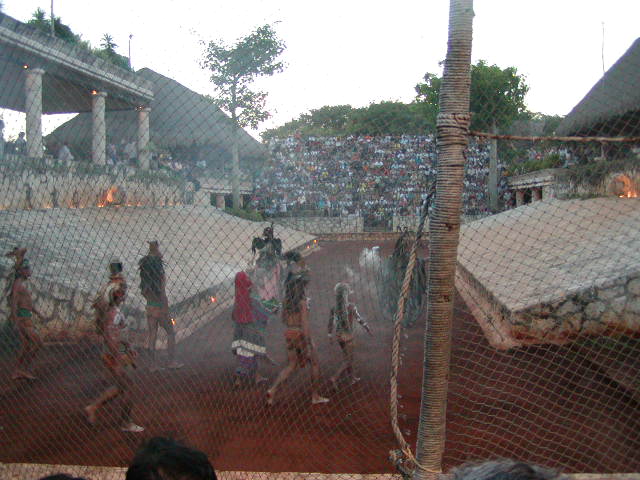
For the nightly entertainment, around 6pm, a group performs a recreation of
the Mayan Ball game. The Mayan men used to play the game to prove their strength,
and it had religious overtones. The game was fascinating to watch because the
players are only allowed to hit the ball with their hips. They score by getting
the ball through a hoop on either side of the field. When the game is started,
the ball is close to the ground, so the players have to throw themselves to
the ground to hit the ball. It must hurt because they don't wear any padding,
just loincloths.
Following the ball game, the audience was organized into groups for an exhibition
of traditional Mayan dances. The tour was going to be another hour and a half,
including a film on the Mayan culture. Although the other activities may have
been interesting, we decided to go back to the resort and rest up instead. After
all, we had been up since sunrise, and walking around the park for 10 hours.
We ended up going to bed right after dinner, sleeping for 10 hours, having breakfast
and going back to bed, we were so tired after our adventure at Xcaret.
Conclusion
Overall, our day at Xcaret was our favourite. If you only go on
one excursion during your stay in the Mayan Riviera, Xcaret is highly recommended.
It is difficult to compare to our very different day at Tulum
and Xel-Ha, but Xcaret was more memorable. Xcaret allows
you to see and experience much, all in one location, without having to go on
something like a jungle tour that can be rather hit and miss.
Click on the hotspots on the map below to view some of our
photos of Xcaret.